
Bringing Antiquity Home: Roman-Inspired Interior Design Elements for Modern Spaces
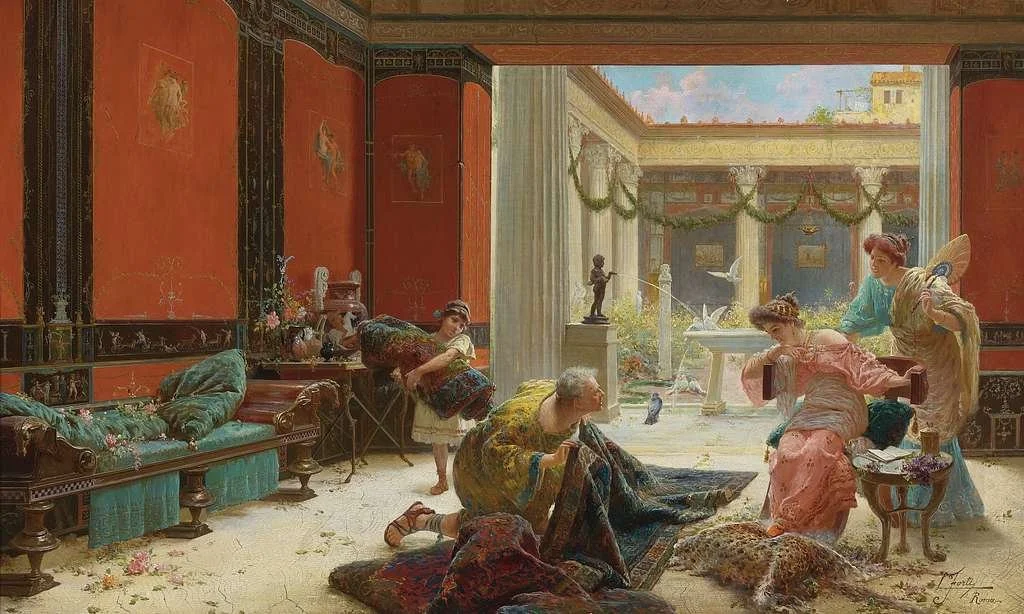
You’ve just come home from a long day at the office. All day you’ve been subjected to harsh lights, bland colors, uninspired décor, and digital screens and electronic beeping and binging. As you toss your car keys on your kitchen counter and stroll into your living room… does it really feel that different? Or have the harsh lights, bland colors and uninspired décor followed you home?
If so, the solution might be to rewind the centuries and bring some elements of the ancient Roman domus into your modern house or apartment. You don’t need to reproduce a museum display to make it happen, either. You just need to introduce a few deliberate Roman-inspired interior design elements to transform your home into a classical sanctuary. Your senses and your spirit will thank you.
The Roman Palette: Bold Color and Earthy Pigments
Ancient Roman interiors were anything but bland. Unlike the beige and gray hues popular today, Romans looked directly to nature for their color inspiration and weren’t afraid of bold colors. They utilized rich mineral-based pigments that felt natural and grounded while simultaneously making an impact. If your walls are boring beige or gaunt gray, try painting some life on the walls and accenting it with furniture pieces.
Pompeian Red and Terracotta: A rich, burnt crimson or deep clay orange wall adds instant warmth and drama. Use this for a sophisticated accent wall or hallway if you feel it’s too much for an entire primary space.
Warm Ochre and Mustard: This golden, earth-toned yellow mimics the sun-drenched stone of Italy. It works beautifully on walls.
Muted Olive and Forest Green: The Romans loved bringing the outdoors inside. Soft, herbal greens connect your indoor spaces to nature and promote a sense of rest.
Vivid Blue: The Romans loved painting the sky on their walls, whether through a faux window or a fresco. Any shade of blue - refreshing and inspiring - will do, though a gorgeous deep Egyptian blue packs a great punch.
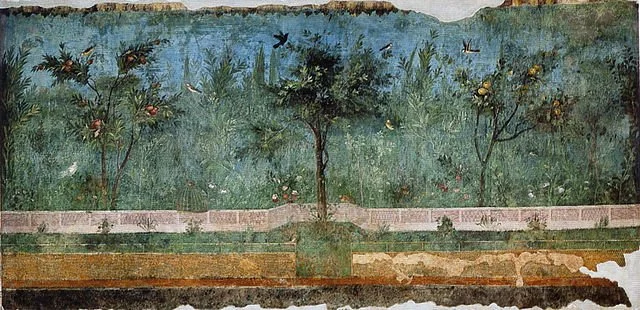
The Compromise: If you prefer a neutral room, or don’t have the time or resources to paint the walls, go all-out with fun and colorful accents. Introduce these rich Roman shades through accent pillows, curtains, ceramic décor, throw blankets or armchairs.
Textures and Stone
The Romans built things to last, and structures and buildings had a way of growing more beautiful as they grew older. Stone, especially that with texture and visible grain, was very popular. To recreate this tactile luxury, look for materials with texture and even imperfections.
Travertine and Limestone: If travertine was good enough for the Romans to use in the Colosseum, it’s probably good enough for your floors or walls. It brings a timeless and stylish quality that can’t be matched.
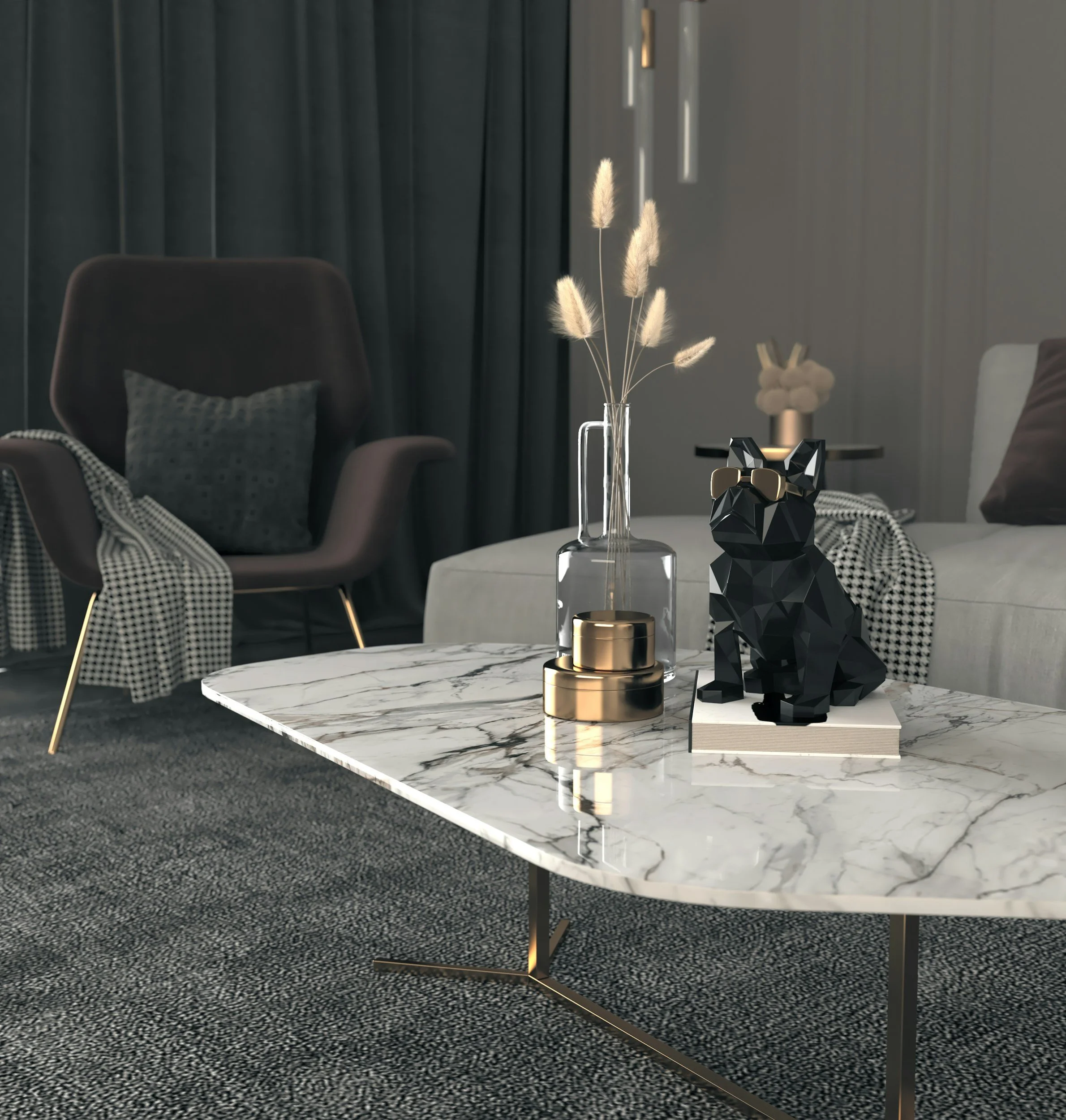
Veined Marble: All right, maybe travertine can be matched. Veined Italian marbles are the pinnacle of sophistication, and come in white, green, red, yellow, black and gray.
Terracotta: What feels more cozy and homey than strolling barefoot over a terracotta tile floor? Not only are the hues beautiful, but there’s something about the feel of that stone underfoot that is very grounding.
The Compromise: Travertine, marble, terracotta tiles… sure they’re gorgeous, but they’re also costly and time-consuming to install. If you want to add some stone texture to your home by sundown, invest in a low travertine or marble coffee table or line your shelves with unglazed terracotta pots and vessels.
What are the key elements of ancient Roman-inspired interior design?
Modern Roman-inspired interior design focuses on a harmonious blend of bold but earthy colors (reds, greens, yellows, blues), stone (travertine, marble), architectural symmetry (arches), décor that incorporates the presence of the gods (statuettes or artwork), and soft lighting for the Vesta aesthetic.
Architectural Symmetry and Visual Framing
Now, let’s say you’re thinking a little bigger - a larger home remodel or even building your own home. This gives you a great opportunity to incorporate some classical architecture into your space from the get-go.
Roman interior design relies heavily on geometry. Spaces were intentionally laid out to create beautiful "sightlines"—views through doorways, down hallways, or out into courtyards that felt balanced and pleasing to the eye.
Furthermore, classical architecture favored soft curves over harsh, jagged edges, a technique that visually relaxes the mind.
The Power of Pairs: Arrange your furniture symmetrically. Position a pair of matching armchairs directly across from a sofa, or place identical ceramic lamps on either side of a console table.
The Arched Motif: Embrace the iconic Roman arch. It breaks up the boxy, rectangular feel of modern rooms.
The Compromise: Incorporate a large, arched floor-length mirror against a prominent wall, or hang a piece of classical artwork framed by two matching wall sconces. Keeping your furniture profile low to the ground will also make your ceilings feel taller and grander, mimicking an ancient atrium.
Bring in the Gods: Statuettes or Artwork
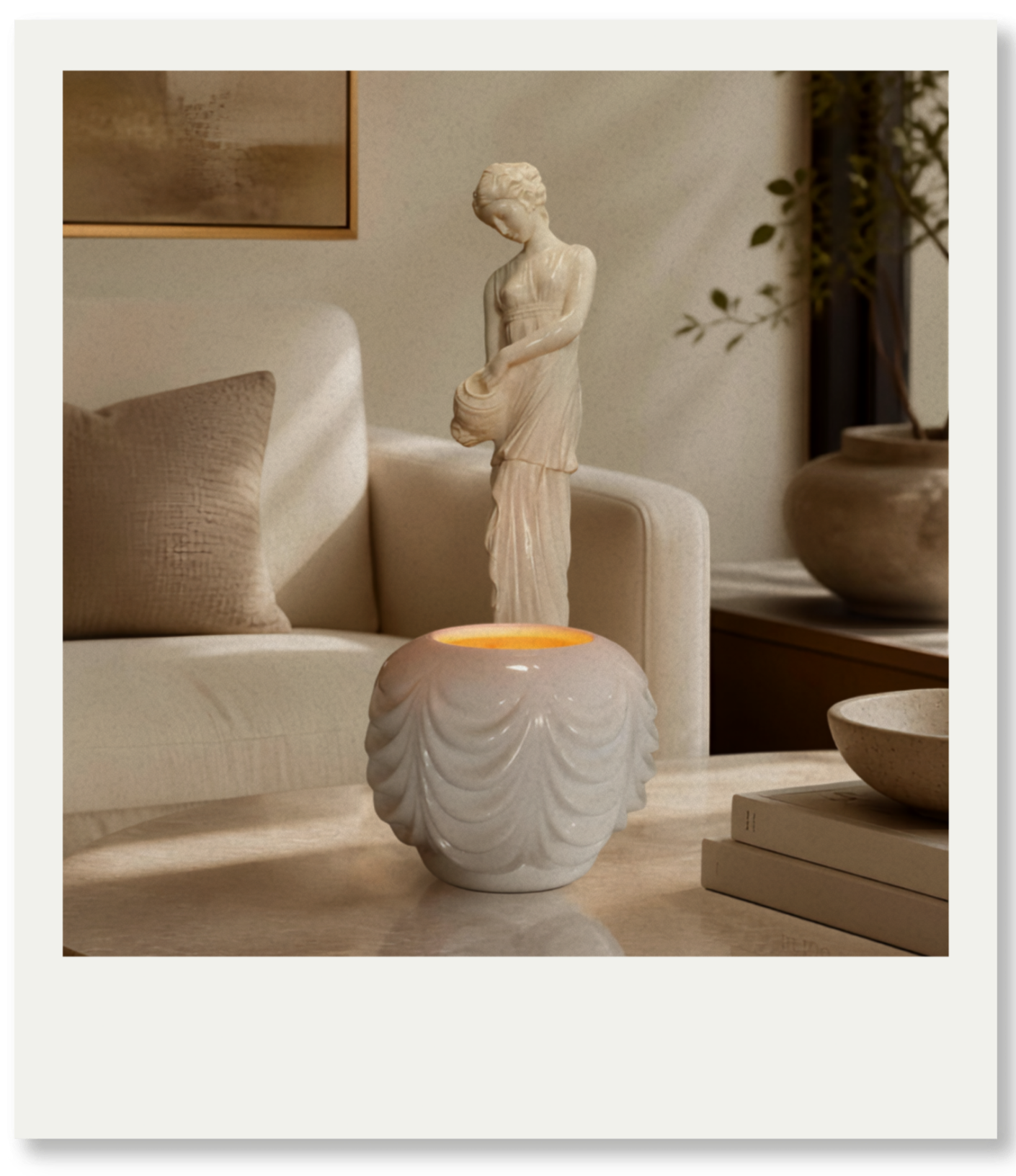
Roman homes always featured figures of the gods and goddesses. The Lares or “household gods” were displayed on the lararium (home shrine) which was typically located near the home’s entrance.
You can blend style and piety by placing statuettes of your favorite gods or goddesses on your coffee table or wall shelves. Or if you prefer, place artwork of them on the walls. A painting of Bacchus (god of wine) in the kitchen or dining room would be lovely, while a statuette of Venus (goddess of love) in the bedroom would be fitting.
And don’t forget the Vesta Aesthetic: Soft Lighting and Daily Ritual
In ancient Rome, the hearth was the literal and spiritual heart of the home. Under the protection of the goddess Vesta, the flame represented warmth, safety, and family continuity. Lighting was never harsh or aggressive; it was ambient, flickering, and intimate.
To capture the serene mood of a Roman evening, rethink your lighting layout.
Ditch Overhead Lights: Rely on layered, low-level lighting rather than bright overhead bulbs. Even table and floor lamps are nicer than that one glaring bulb in the center of the ceiling.
Check the Bulb: You can bring soft lighting to any room simply by being conscious of what kind of bulb is in the fixture. Choose soft white or, for a peaceful glow, use a green or blue bulb.
The Flicker of Fire: Create a dedicated space for candles. Group clusters of natural beeswax pillar candles on a stone tray on your dining or coffee table. When lit, the warm, honey-scented glow creates an immediate atmosphere of ritual, comfort, and calm.
Now turn off all the artificial lights, sit back, and gaze into the flame. This is what it should feel like to come home.